19 May 2026
Microcirculation and longevity: what happens to tissues over time
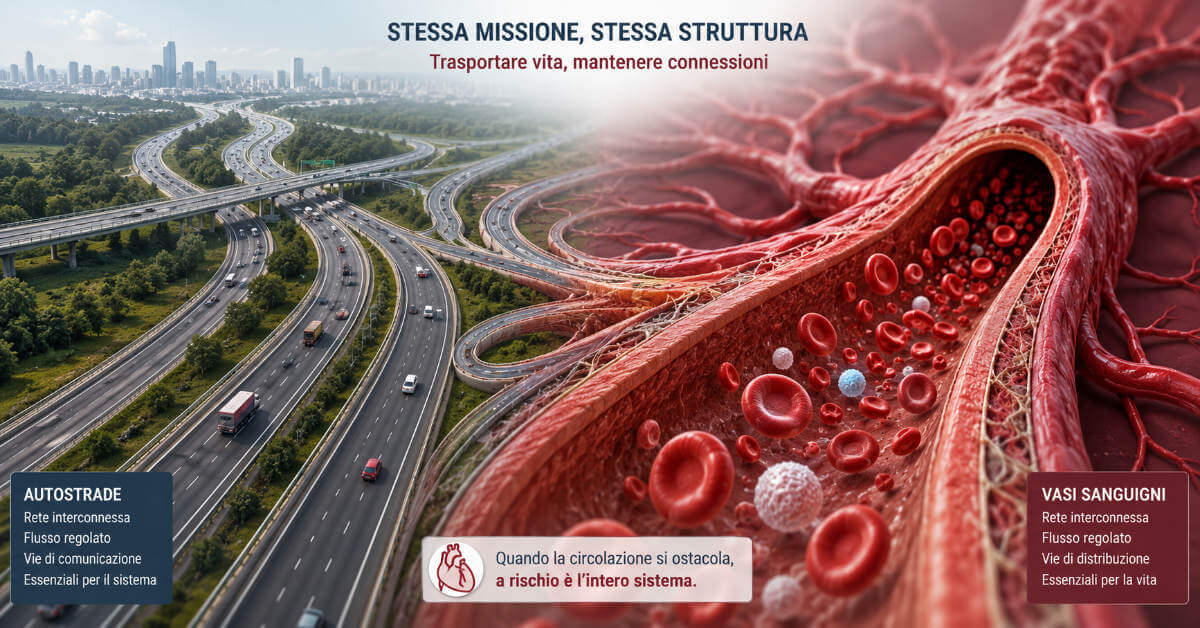
Microcirculation changes with age and affects the health of each tissue. Find out what happens at the cellular level over ...

Inflammation is a natural and valuable response of our body. When we are injured or have an infection, it arrives quickly and decisively, fights the problem and then dies down, like a fire that flares up and is brought under control once the danger has passed. The problem arises when this fire does not go out completely and becomes a constant, silent smoke: low-grade chronic inflammation, also called Low-Grade Chronic Inflammation or LGCI.
It does not cause striking symptoms, but over time it profoundly alters the functioning of tissues and organs, including the brain. In the first years of life the brain is under intensive construction: it creates billions of connections every day, strengthening the useful ones and pruning the superfluous ones. Persistent inflammation acts like background noise that disrupts this delicate process of organisation.
It is not the only cause, but chronic low-grade inflammation is an often underestimated factor that can worsen difficulties in neurodevelopment.
After certain infections the immune system may overreact and attack areas of the brain involved in controlling behaviour and movement: chronic inflammation may prolong this state of alarm.
Inflammation can alter the dopaminergic and noradrenergic systems, making it more difficult to maintain attention, control impulses and regulate emotions.
Several studies have shown increased activation of microglia, the brain’s immune cells: this state of constant alert can interfere with communication between neurons.
In summary, an inflamed environment makes the biological terrain less favourable to the optimal development of the nervous system.
To address these challenges, REAC Technology acts on two complementary levels. On the one hand, the neuromodulation protocols (NPO, NPPO and CB) work directly on the regulation of the nervous system and on adaptive responses. On the other hand, the new protocols Inside Blue Zone™ (IBZ) focus on the biological “terrain”, reducing chronic inflammation, improving circulation and supporting cellular energy.
It helps the immune system to complete inflammatory cycles correctly and return to a state of rest, fostering the conditions for a calmer brain environment.
It improves microcirculation, enabling cells to receive oxygen and nutrients more effectively and reducing the oxidative stress that damages nerve connections.
It supports cellular metabolism, helping cells recover energy efficiency to better support development processes.
Neurodevelopmental disorders are complex and multifactorial. Also looking at low-grade chronic inflammation means considering the child as a whole: not only the brain, but also the body that supports it.
Improving the biological terrain is not a miracle solution, but it creates the ideal conditions for the child’s nervous system to develop more freely, harmoniously and stably, allowing them to make the most of their developmental potential.
Dr Giulio Viganò
Paediatrician – Milan
19 May 2026
Microcirculation changes with age and affects the health of each tissue. Find out what happens at the cellular level over ...
13 May 2026
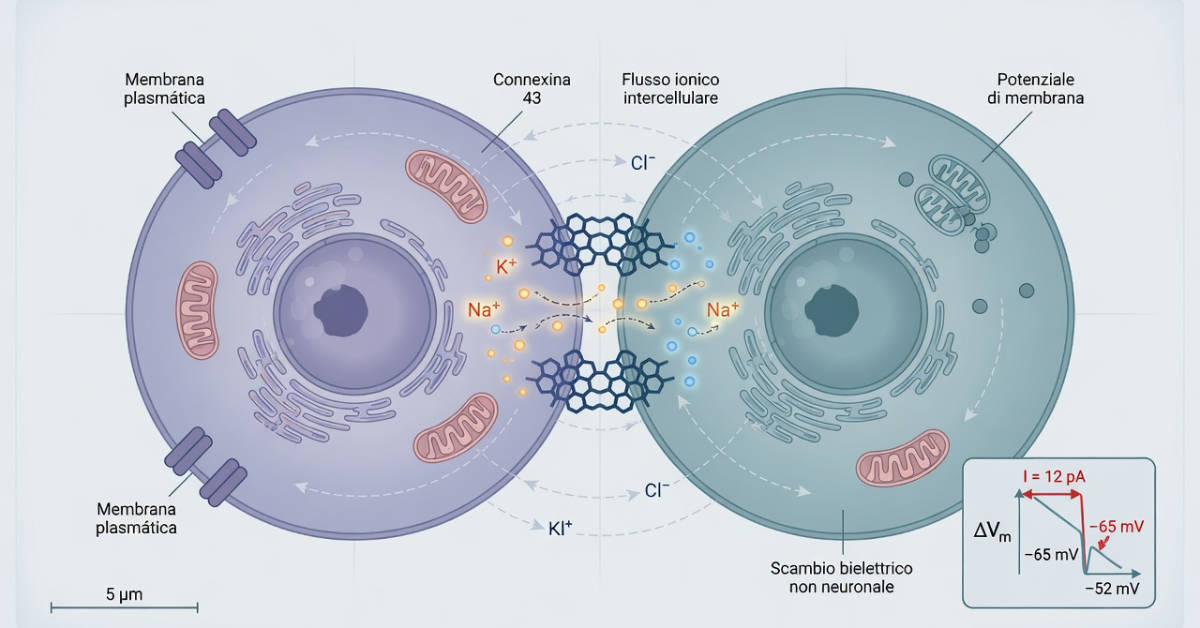
Each cell produces and receives bioelectric signals. Find out how cellular bioelectricity regulates physiology and why...

13 May 2026
Inflammaging is a silent chronic inflammation that grows with age. It does not hurt, but it can speed up ageing...
Find the nearest Longevity Center and ask for a first appointment with the doctor.